Best Free Secret Sharing Tool — No Account, ZK (2026)
Best free one-time secret sharing tools compared: VanishingVault, Bitwarden Send, OneTimeSecret, Privnote. Client-side vs server-side encryption, no-account handoffs, and honest limits.
Privacy-focused guides on secure messaging and data protection.
Featured articles
26 articles
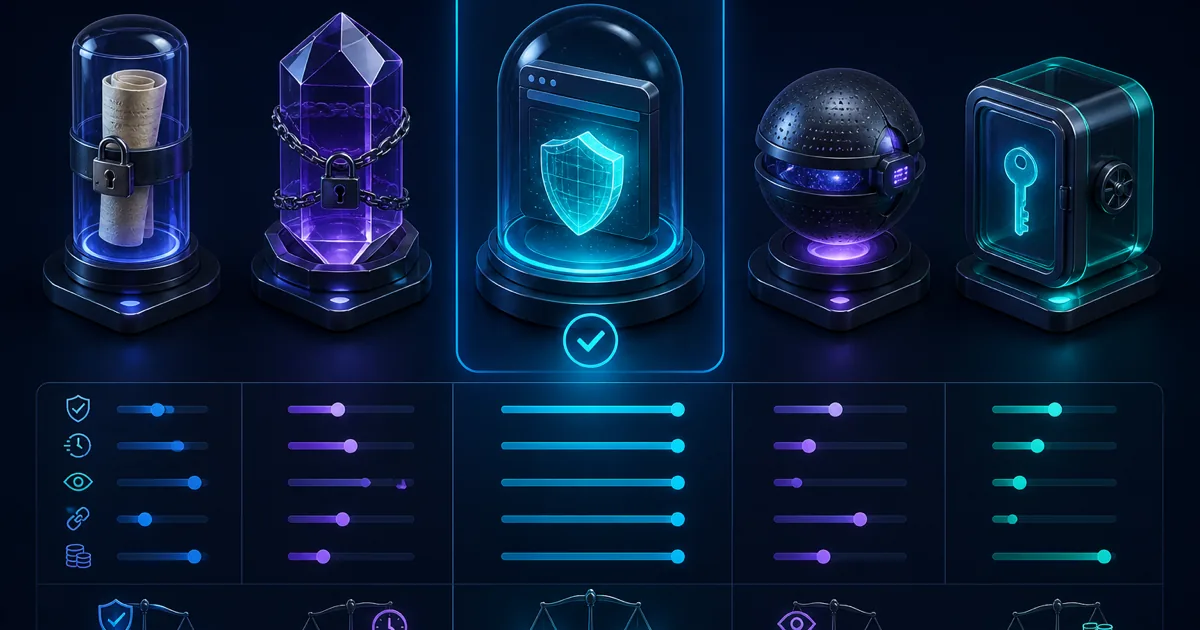
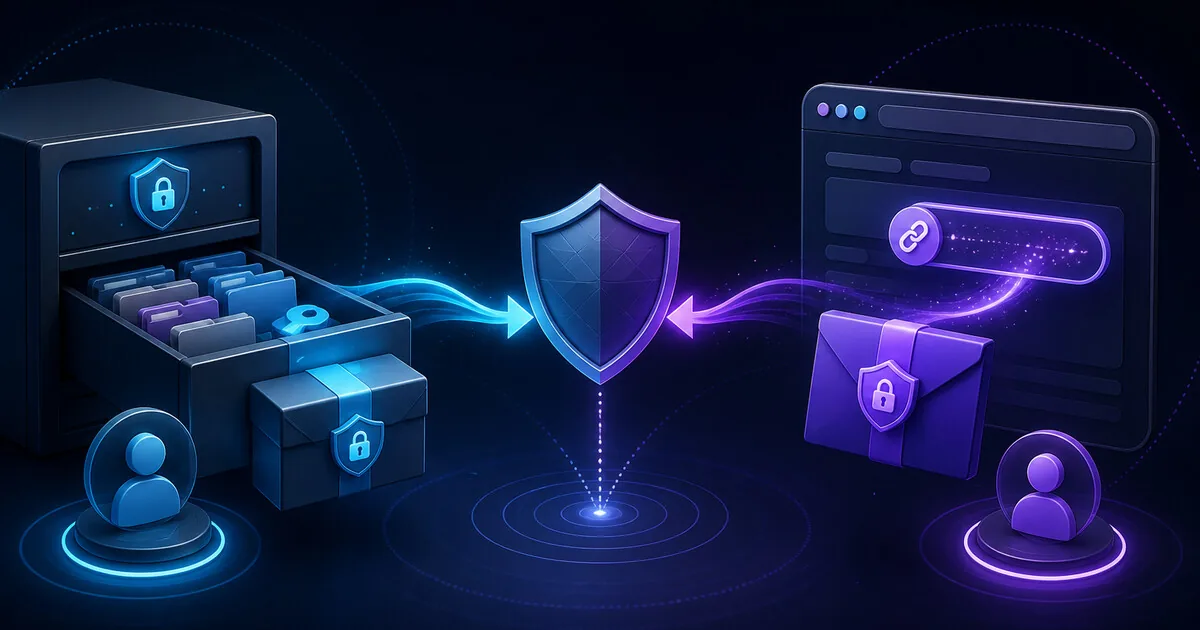
Best free one-time secret sharing tools compared: VanishingVault, Bitwarden Send, OneTimeSecret, Privnote. Client-side vs server-side encryption, no-account handoffs, and honest limits.

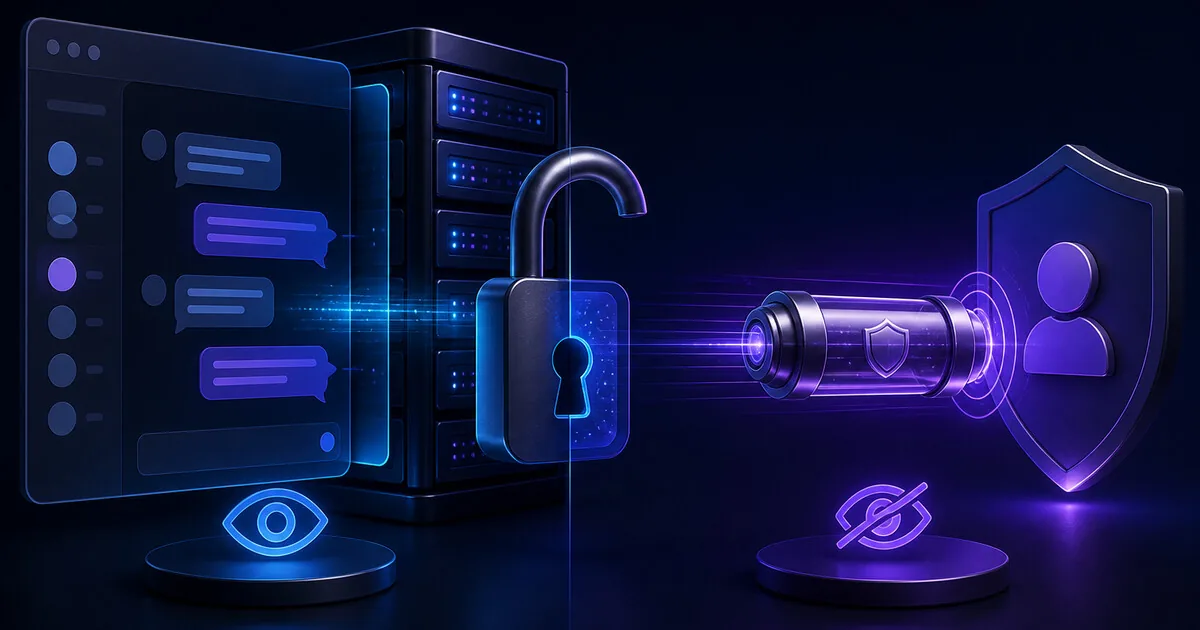
Microsoft Teams encrypts in transit and at rest but chat is NOT end-to-end encrypted. E2EE is optional for 1:1 call media and Premium meetings only. Customer Key ≠ E2EE.

Bitwarden Send vs dedicated one-time secret tools for sending a password once. Fit table: encryption, accounts, access password, files, burn-after-read, and guest UX.

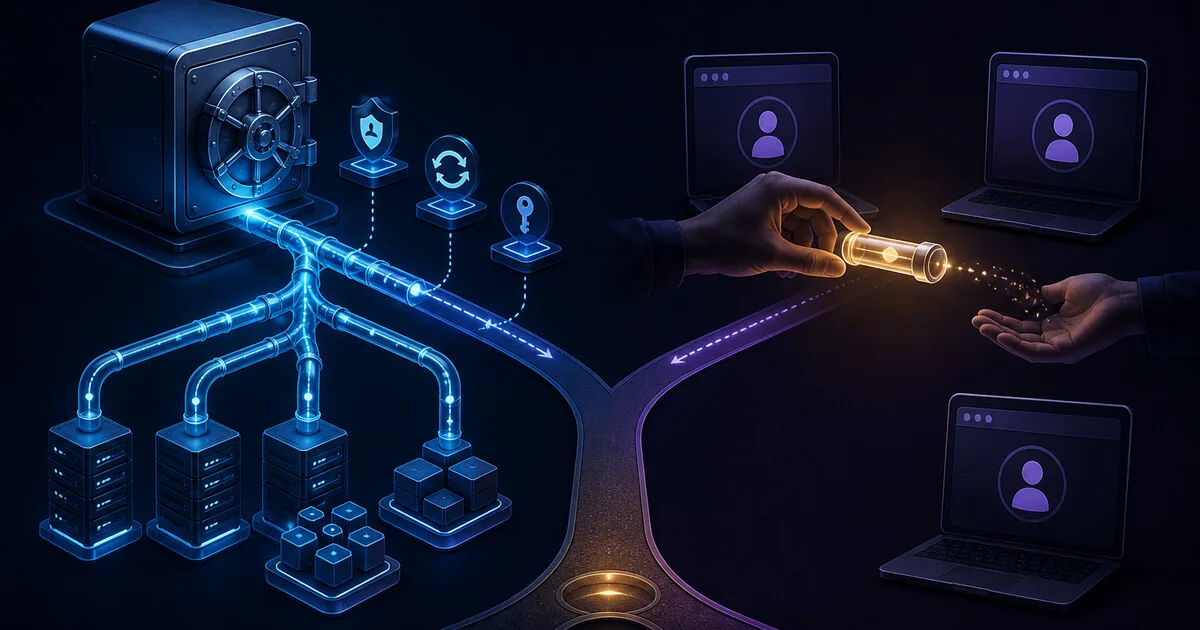
When to use HashiCorp Vault (or OpenBao) versus a one-time encrypted link for sharing an API key with a contractor. Vault vs Bitwarden vs zero-knowledge links — best-for table with honest limits.

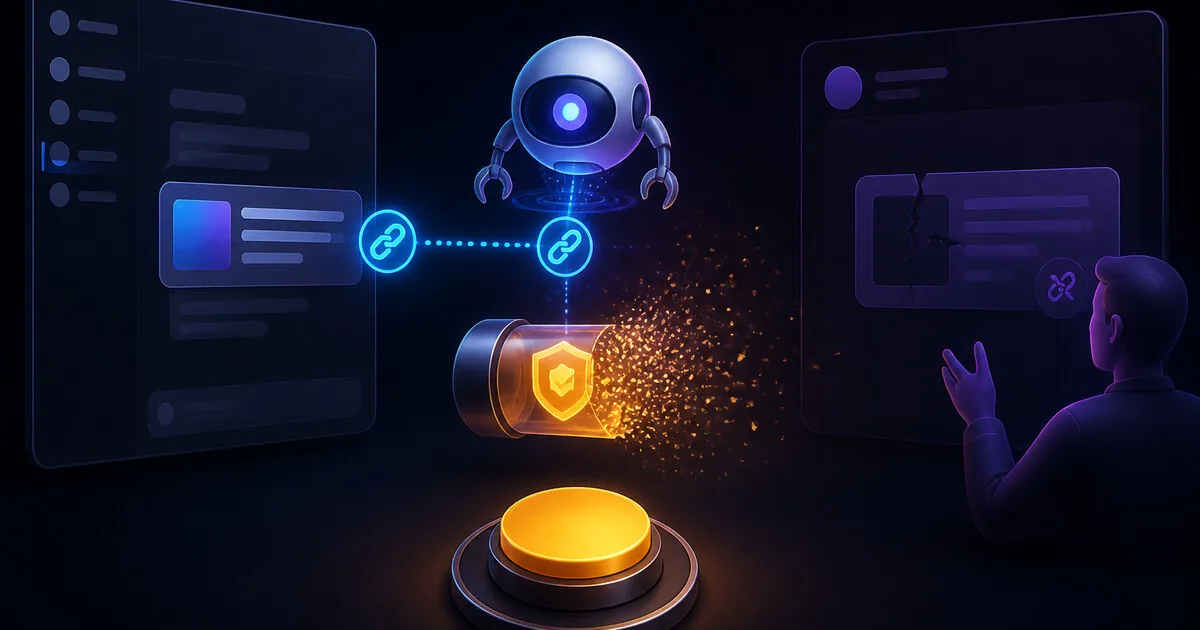
Slack unfurls can fetch a one-time secret URL and burn it before your recipient clicks. Why link previews consume burn-after-read links — and the Reveal / out-of-band fixes.

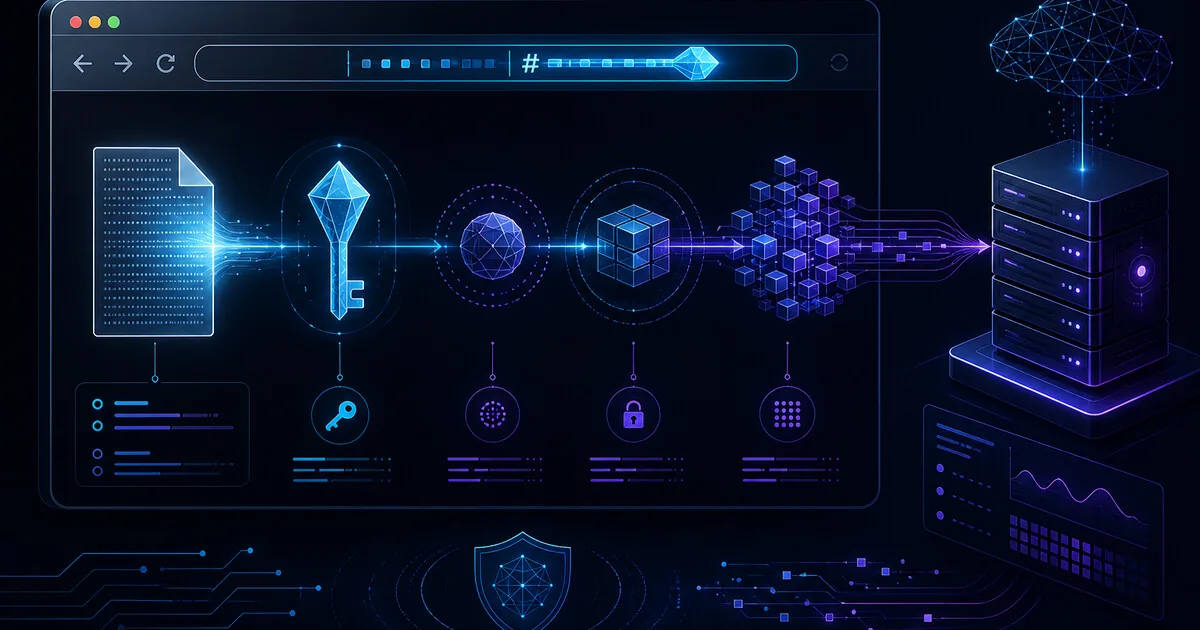
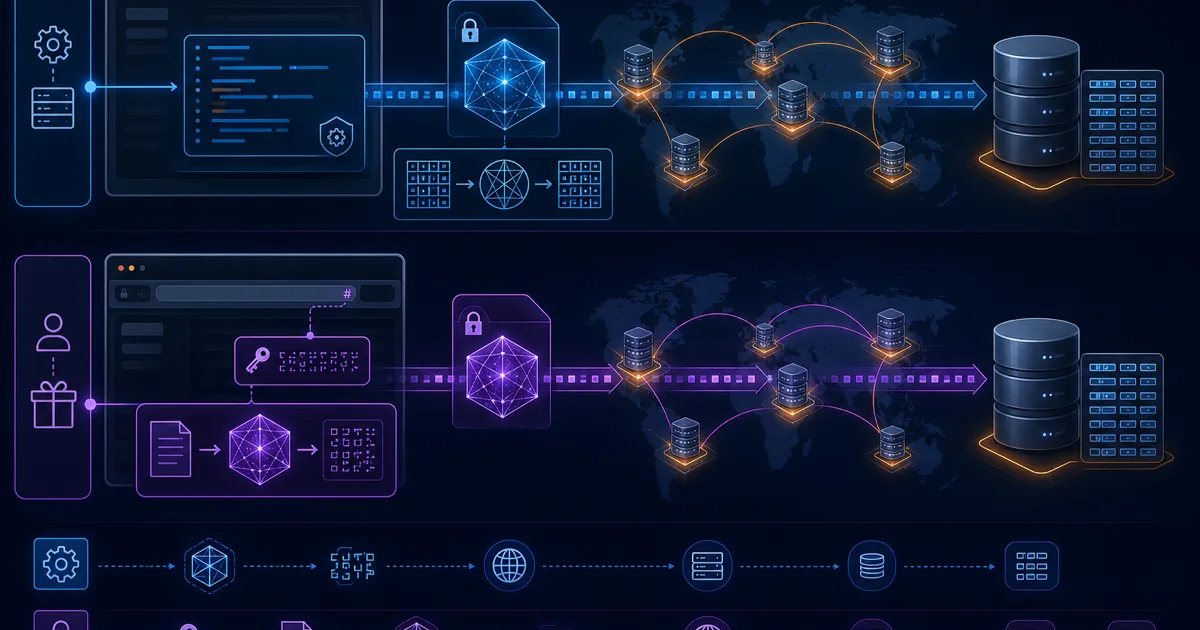
How AES-256-GCM via the Web Crypto API powers zero-knowledge one-time secret sharing: IV rules, fragment keys, ciphertext-only servers, and honest browser limits.

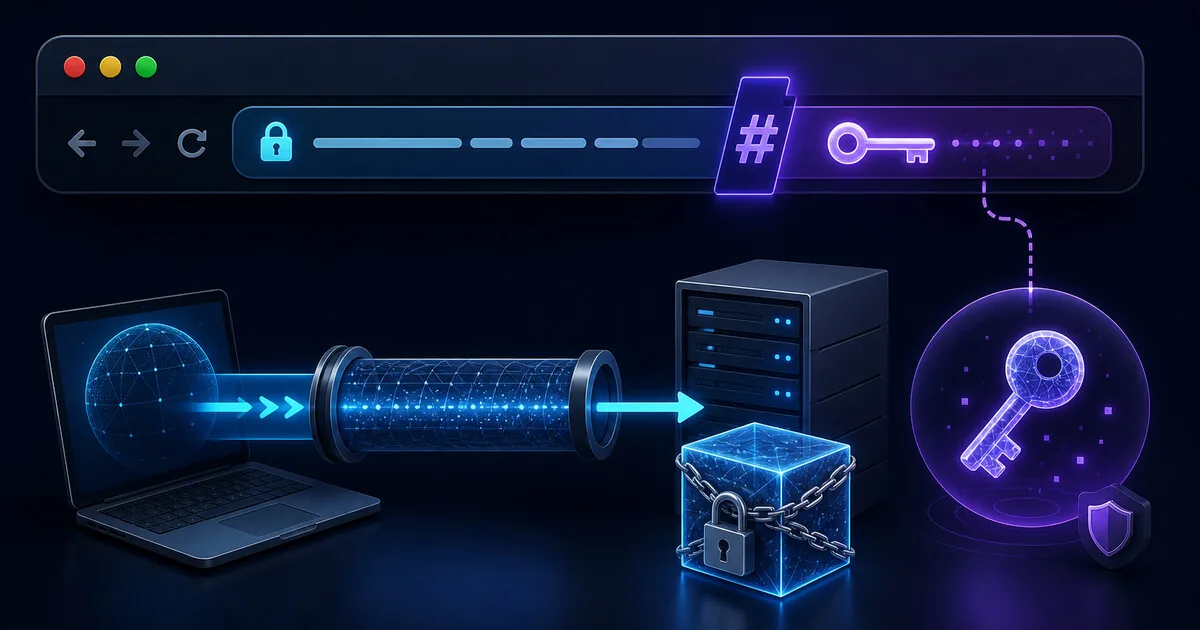
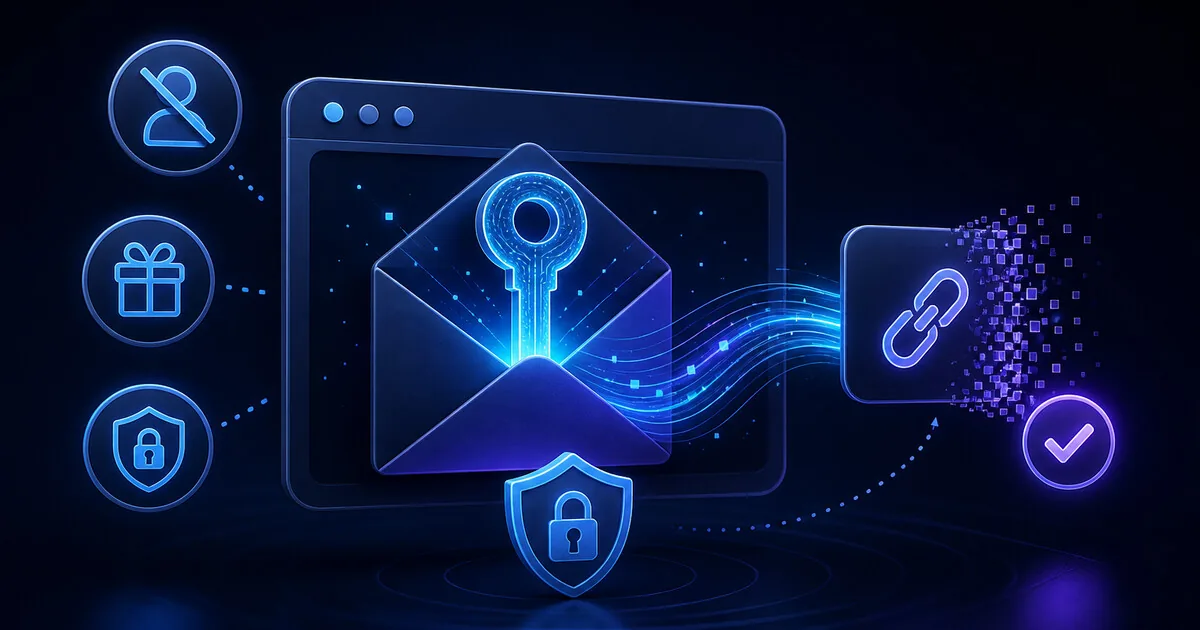
Why zero-knowledge secret tools put the decryption key after # in the URL. RFC 9110 fragment behavior, bearer-URL limits, and referrer/analytics caveats.

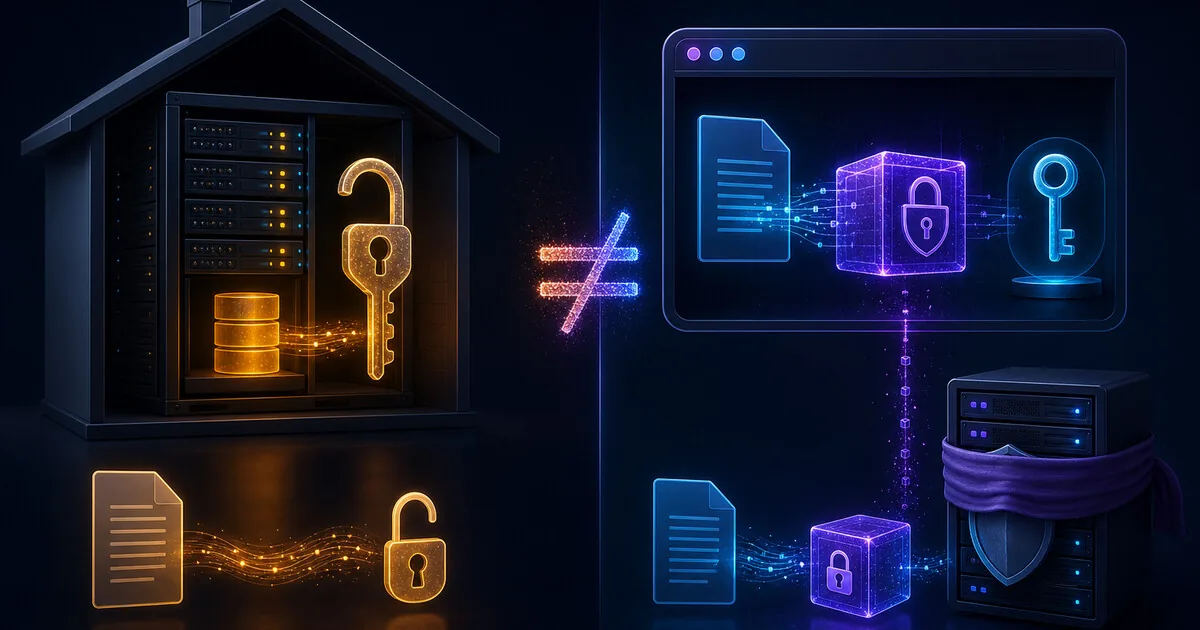
Self-hosting OneTimeSecret moves trust to your server — it does not make server-side encryption zero-knowledge. Client-side vs self-host cutover with honest limits.

Slack encrypts in transit and at rest but is NOT end-to-end encrypted — Enterprise Key Management (EKM) is envelope encryption, not E2EE. Slack vs encrypted chat vs one-time secret links for credentials.

Share passwords with client-side one-time links — not email or Slack. Decision tree vs vaults, # fragment keys, link-preview burn risk, and AEO FAQs.

Enterprise secure communication split: E2EE messaging (Wire, Threema, Wickr, Element) vs zero-knowledge credential handoffs. Picker with honest limits per tool.

Zero-knowledge encryption means the provider stores ciphertext it cannot decrypt. How it differs from E2EE and zero-knowledge proofs, plus URL-fragment secret sharing.

Burn after reading destroys ciphertext after one view. How ZK self-destructing links work vs Snapchat-style UI disappearing and timer-only chats.

OneTimeSecret documents server-side encryption; VanishingVault uses client-side AES-256-GCM with a URL-fragment key. DevTools check, phishing clones, self-host ≠ ZK.

Compare Privnote and VanishingVault on encryption transparency, fragment keys, ads/phishing risk, and when consumer self-destruct notes are not enough for business secrets.

Sourced timeline of the Sept 8, 2025 qix/npm phishing compromise (chalk, debug, ~2B weekly downloads). Browser crypto-stealer payload, response, and credential hygiene.

Send a password as an AES-256-GCM one-time link (key in # fragment). Steps, Bitwarden Send comparison, Slack unfurl burn risk, and when to use a vault instead.

Share 2FA/MFA backup codes with a zero-knowledge burn-after-read link, then store them in a password manager and regenerate.

When one-time encrypted links beat chat for API key handoffs — and when HashiCorp Vault or cloud secrets managers still win for runtime secrets.

At-rest Dropbox/Drive vs zero-knowledge sync drives vs one-time encrypted links vs P2P. Honest scope for sensitive handoffs — not a full Drive replacement.

ZK vs E2EE vs encryption-at-rest: who holds the keys, what providers can read, subpoena nuance, and how URL-fragment secret sharing fits.

Cloudflare Secrets Store holds Worker config secrets — different job from a ZK one-time link tool. AES-256-GCM in the browser, URL-fragment keys, Workers + KV burn-after-read, and threat model.

Best one-time secret sharing tools compared for 2026: encryption model (client-side vs server-side), burn-after-read, and honest best-for + limits for VanishingVault, Bitwarden Send, scrt.link, OneTimeSecret, and Privnote.

Hand API keys to AI agents without pasting into chats: one-time ZK links for handoffs, vaults/OIDC/env for runtime, honest bearer-URL limits.

Why client-side encryption and URL-fragment keys are the default for one-time secret sharing — plus honest limits (browser trust, bearer URLs).

Email, Slack/Teams, and SMS keep credentials forever. Compare persistence and encryption models to client-side one-time links — with an AEO FAQ.
Our privacy-first tools help keep your sensitive information secure.